Pinterest Ads Explained: Why Brands Use Them, Campaign Objectives, and When to Use Each
Pinterest ads can feel confusing at first, especially if you’re coming from platforms like Meta or Google. Pinterest isn’t a social feed. It’s a discovery and planning platform, which means ads work a little differently and can support sales in a very effective way.
If you’re running an online business and wondering whether Pinterest ads are worth exploring, this guide walks through why brands use Pinterest ads, the main campaign objectives available, and how each can fit into your advertising strategy.
Why Many E-Commerce Brands Use Pinterest Ads
Pinterest users come to the platform to plan. They’re searching, saving, and collecting ideas for future purchases, sometimes weeks or months before they’re ready to buy.
That makes Pinterest especially powerful for:
Products with longer decision cycles like home, decor, fashion, and gifting
Seasonal and planning-based purchases
Brands that benefit from inspiration before conversion
Businesses looking to reach customers earlier in the funnel
Pinterest ads blend into organic content, so they don’t feel disruptive. Instead of interrupting someone mid-scroll, your ads show up while people are actively looking for ideas.
📌 Save this Image for Later! 📌
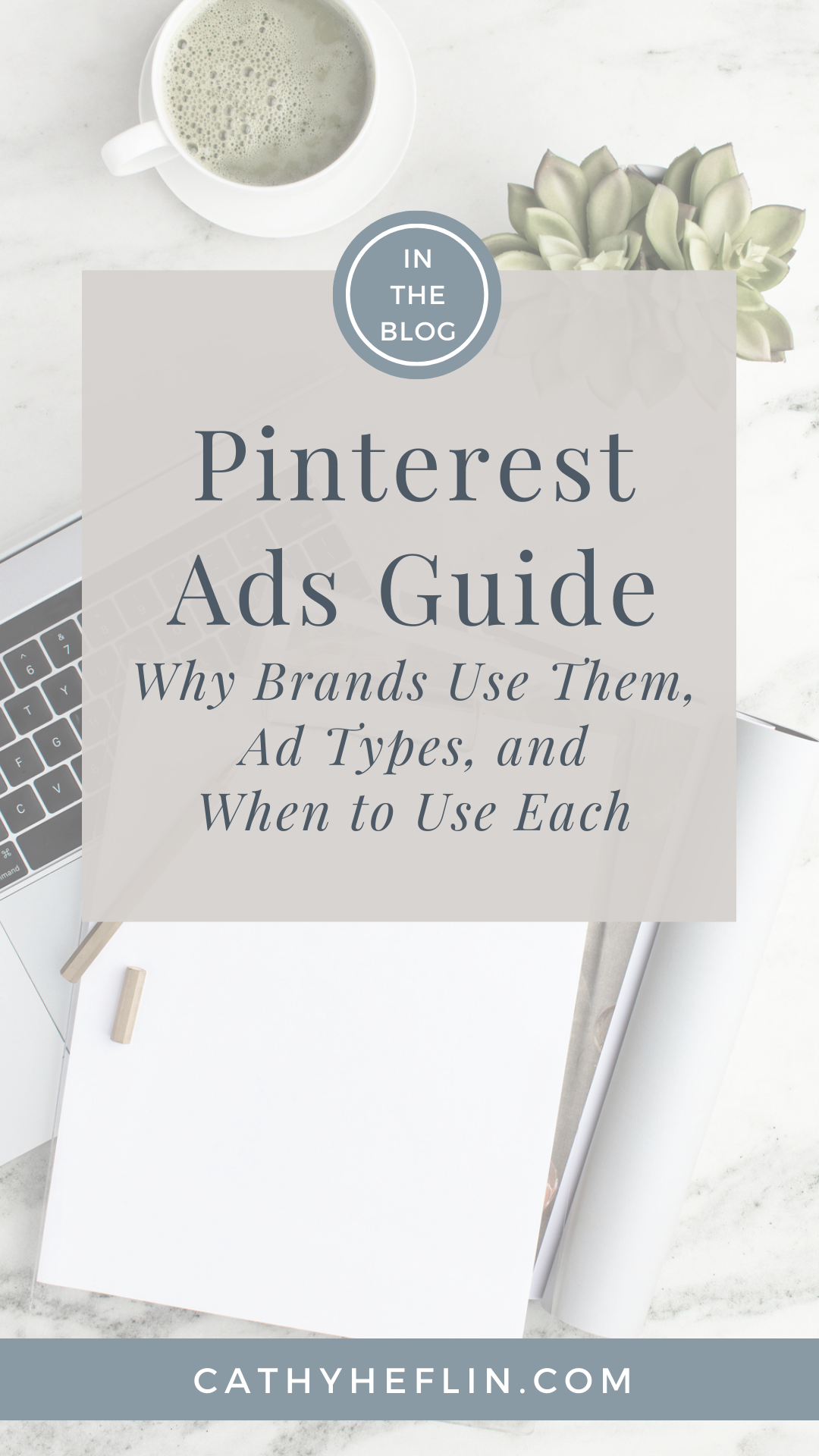
How Pinterest Ads Work (At a High Level)
Pinterest ads appear in:
Search results
The home feed
Related pins and browsing experiences
Targeting can be built around keywords, interests, and other audience signals. You can also use retargeting audiences to reach people who have already interacted with your business.
One of the most important decisions you’ll make when setting up a Pinterest ad campaign is choosing your campaign objective. Your objective tells Pinterest what you want the campaign to accomplish and what type of action you want Pinterest to optimize for.
But your objective is only one part of your strategy. You also need to consider who you are targeting and where that audience is in the customer journey.
Keep in mind, Pinterest often works well as a supporting channel alongside Meta or Google.
The Main Types of Pinterest Ad Campaign Objectives
Pinterest has simplified its campaign objectives. For most businesses focused on driving website traffic, generating leads, or making sales, the three objectives you’ll want to understand are Consideration, Leads, and Sales.
Before we get into each one, it’s important to separate two ideas:
Campaign objective: What do you want Pinterest to optimize for?
Audience: Who do you want to reach?
These are two separate strategic decisions. A cold audience doesn’t automatically mean you should use a Consideration campaign, just as a warm audience doesn’t automatically mean you should use a Sales campaign. Your objective should match the action you want that particular audience to take.
Consideration Campaigns
What they do:
Get people to engage with your Pin or visit your website.
Consideration campaigns are designed to increase Pin clicks or outbound clicks. They can be a good choice when your goal is to introduce people to your brand, get them to explore your content, or bring qualified traffic to your website.
Best used when:
• You want to drive traffic to a blog post or educational content
• You want people to explore a product or collection
• Your product requires more education before the sale
• You’re introducing your brand or offer to a cold audience
• You want to bring previous website visitors back to your site
Consideration campaigns aren't limited to cold audiences. For example, you could retarget previous website visitors with a Consideration campaign because your goal is simply to get them to return and continue exploring.
Lead Campaigns
What they do:
Generate a non-purchase action such as a signup, subscription, inquiry, or lead.
Lead campaigns are designed for businesses that want someone to take an action that happens before a purchase.
Best used when promoting:
• A free guide or download
• A webinar or free training
• An email opt-in
• A consultation or inquiry
• Another lead-generating offer
If your real goal is to grow your email list, simply getting inexpensive traffic isn't necessarily enough. A Lead campaign allows Pinterest to optimize toward people who are more likely to complete your selected lead action.
Sales Campaigns
What they do:
Drive transactional actions such as adding a product to cart or completing a purchase.
Sales campaigns tell Pinterest that your goal is a purchase-related action and allow the platform to optimize toward people who are more likely to complete that action.
Best used when:
• You’re promoting a product or collection
• Your website and product pages are ready to convert traffic
• You have the Pinterest Tag and appropriate conversion events installed
• You want Pinterest to optimize toward actions such as Add to Cart or Checkout
• You’re retargeting higher-intent website visitors
Sales campaigns aren't necessarily reserved for warm audiences. You can run a Sales campaign to a cold audience when your product, offer, website, budget, and available conversion data support that strategy.
Likewise, Sales campaigns can be used for retargeting people who have already visited your website or interacted with your products.
Remember, the campaign objective and the audience are two separate decisions.
What Happened to Conversion and Catalog Sales Campaigns?
If you've run Pinterest ads in the past, you may be familiar with Conversion and Catalog Sales campaigns. When Pinterest simplified its campaign objectives, these options shifted to a new objective.
Non-transactional conversion actions, such as signups and leads, now fall under the Leads objective. Transactional actions, such as Add to Cart and Checkout, fall under the Sales objective.
Catalogs also work differently within the new campaign structure. Instead of Catalog Sales being its own campaign objective, businesses with a Pinterest product catalog can use the catalog as the creative source within a Consideration or Sales campaign.
This means the campaign objective is based on what you want Pinterest to accomplish, while your catalog provides the products and ad pins Pinterest can use in your ads.
Prospecting vs. Retargeting
This is where Pinterest ad strategy goes beyond simply choosing an objective.
Prospecting means advertising to people who haven't previously interacted with your business. These are typically cold audiences and can be built using targeting such as keywords and interests.
Retargeting means advertising to people who have already interacted with your business in some way.
Depending on your setup, this could include people who:
• Visited your website
• Viewed particular pages or products
• Engaged with your Pins
• Added a product to their cart
• Took another tracked action
And here's the important part: Prospecting and retargeting are not campaign objectives. They're audience strategies.
You could run a Consideration campaign to a cold audience.
You could run a Sales campaign to a cold audience.
You could retarget website visitors with a Consideration campaign because you want them to return to your site.
Or you could retarget higher-intent visitors with a Sales campaign because you're ready to encourage the purchase.
The right combination depends on your goal and where that audience is in the customer journey.
How Pinterest Ad Campaigns Can Work Together
You don't necessarily need every campaign objective running at the same time. But understanding how different campaigns can work together allows you to build a more intentional advertising funnel.
For example, a simple funnel might look like this:
Cold Audience → Consideration Campaign → Helpful Content
Someone discovers your business and visits your website.
↓
Warm Audience → Lead Campaign → Free Resource
You invite that person to take the next step and join your email list.
↓
Higher-Intent Audience → Sales Campaign → Product or Offer
You're now asking for the purchase from someone who has had more opportunities to learn about your business.
That's only one example.
An e-commerce brand with a strong product, plenty of conversion data, and a shorter purchase cycle might run a Sales campaign directly to cold audiences.
A business selling a higher-priced product may use Consideration campaigns to educate potential customers before asking for the sale.
A service provider or course creator may focus more heavily on Consideration and Lead campaigns before introducing a paid offer.
There isn't one Pinterest ads funnel that every business should follow. The goal is to choose the campaign objective, audience, offer, and creative that make sense for where your customer is in their journey and what you want them to do next.
What About Pinterest Performance+?
Pinterest Performance+ is Pinterest's more automated campaign option and can be used with Consideration, Leads, and Sales campaigns.
Performance+ uses Pinterest's automation and machine learning to simplify parts of campaign setup and optimization.
That doesn't mean Performance+ should automatically be used for every campaign. Your available conversion data (Pinterest tag data), budget, campaign goal, audience strategy, and need for targeting control can all influence whether an automated or more manual setup makes sense.
Start with your strategy and objective first, rather than choosing a campaign simply because it offers more automation.
Common Pinterest Ads Mistakes to Avoid
Expecting instant results in the first week
Using the same image and messaging for every campaign. Your creative should speak to where someone is in the customer journey and the action you want them to take next.
Choosing an objective before defining the actual business goal
Assuming Consideration campaigns are only for cold audiences and Sales campaigns are only for warm audiences
Sending paid traffic to a page that isn't designed for the action you want someone to take
Focusing only on inexpensive clicks when your actual goal is leads or sales
Judging performance before Pinterest finishes learning. This takes time.
Forgetting that Pinterest is a planning platform.
Pinterest ads work best when your campaign objective, audience, creative, and landing page are working together toward the same goal.
📌 Save this Image for Later! 📌
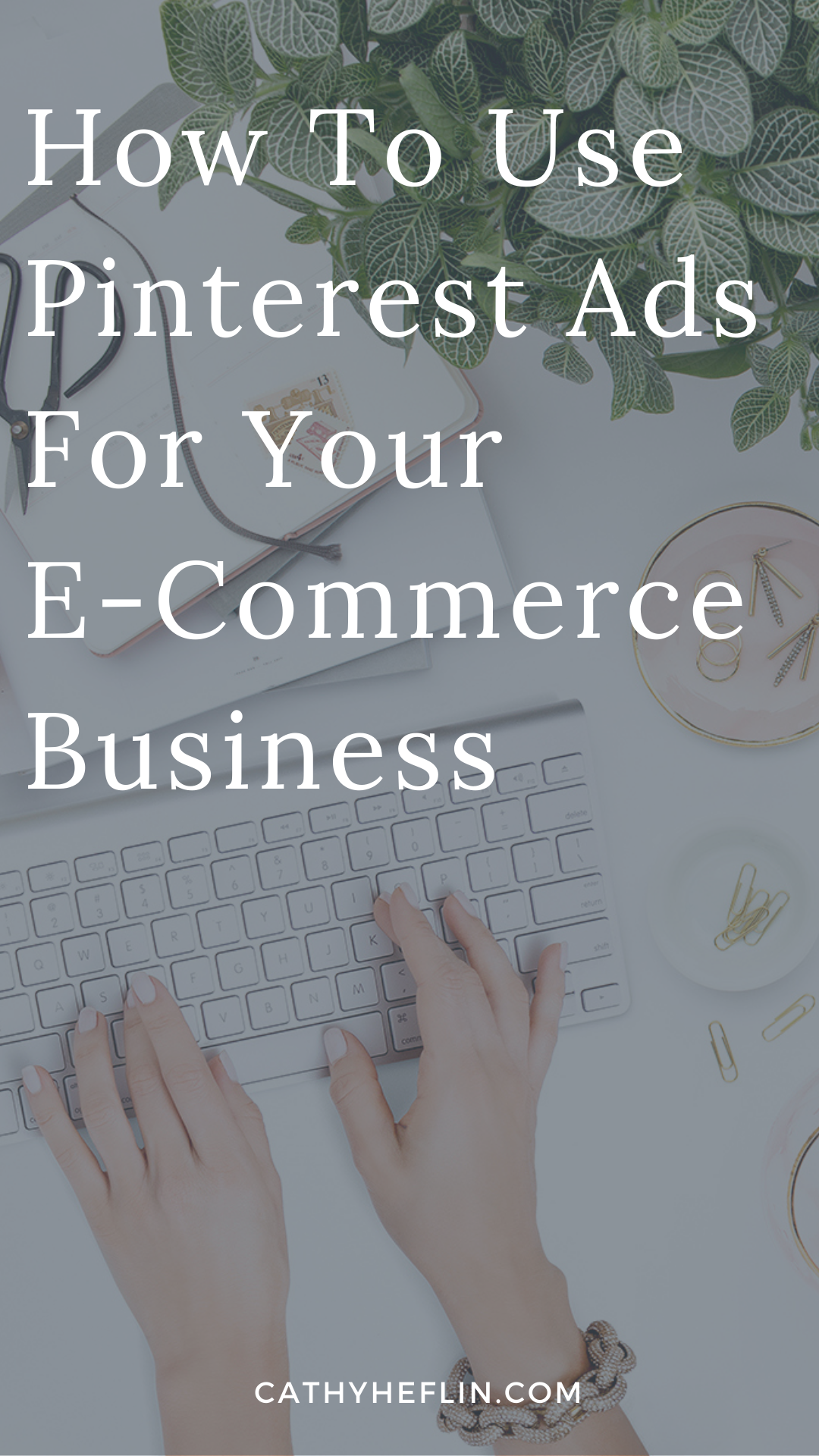
Conclusion
A complete Pinterest Ads Strategy isn't necessarily about choosing a single campaign objective. Start by asking what your business goal is, what action you want someone to take next, and who you're asking to take that action.
Those answers help determine whether Consideration, Leads, Sales, or a combination of campaigns makes the most sense.
When set up correctly, Pinterest ads support discovery, influence decisions early, and continue driving sales long after the first click.
If you’re considering Pinterest ads and want hands-on support, I work with businesses to manage Pinterest ad campaigns from start to finish, including custom strategy, creative setup, optimization, and ongoing management. Learn more here.